






































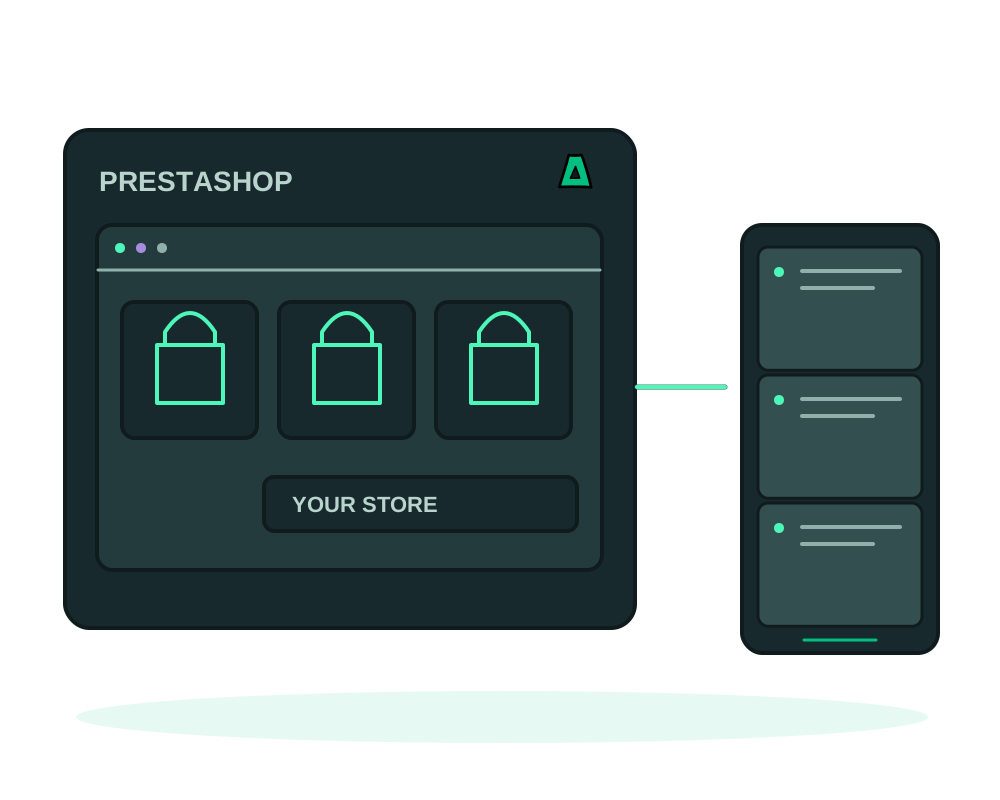
Run your PrestaShop storefront, catalogue and back office on an offshore server you control. Plan hosting resources alongside module licenses, payment-provider charges and the maintenance your store needs.
What you get
- PrestaShop 9 with Apache, PHP 8 and MariaDB 11 bundled
- Multi-language and multi-currency out of the box
- Modules and themes, with integration APIs checked against the installed version and extensions
- Catalog deployment, followed by store configuration and testing before launch
Get it running
Pick a VPS with room to grow
Choose capacity for catalogue size, images, installed modules and peak checkout traffic. Leave space for growth and recovery copies, and test a representative workload before launch.
Install it in one click
Install PrestaShop from the catalog with your storefront hostname. That domain becomes the canonical URL for emails, links and the back office, so use the one customers will see.
Set a serious admin password
The install asks for the back-office email and password. Eight characters is the minimum it accepts; use sixteen or more from a password manager, because this login controls your orders and customer data.
Set language, country and payment
Choose the default language and country so tax and shipping start from the right place, then add your payment method and adjust the rest in the back office.
Never store or process raw card numbers on your own server. Use a payment module that redirects or tokenises, so the card details never touch your infrastructure. Handling them yourself pulls you into PCI obligations you almost certainly do not want, and one breach becomes a catastrophe rather than an incident.
Ecommerce installs are scanned and attacked constantly, usually through outdated modules rather than the core. Patch the platform and every module, remove the ones you stopped using, restrict the back office, and back up both the database and the uploads with a restore you have actually tested.
Hosting the server offshore protects it from unrelated takedown pressure. It does not change consumer protection, tax or data-protection duties in the markets you sell into: those follow the sale, not the server. Take advice for your own markets rather than assuming the jurisdiction of the machine settles it.
Whatever your store accepts from its own customers, your hosting is no-KYC and payable in Bitcoin, Monero, USDT or TRX. See top up your balance in crypto.
Protect orders before updates and migration
Use app inspection and maintenance for a supported deployment with the Agent online, then test the storefront and back office after an update. Check module compatibility before changing the application version.
Plan app backups to Impreza S3 together with a database-consistent recovery procedure for orders, store files, images and configuration. External storage needs separate protection. Test recovery without sending production notifications or initiating real payments.
For migration between compatible servers, coordinate a maintenance window and the final transfer of orders and files. Review callbacks, domain settings and checkout in the payment provider’s test mode before reopening the store. An older backup will not contain orders placed after it was taken.
Choose the recipe and plan your updates
The Impreza catalog offers an updated PrestaShop recipe for new installations. A catalog update does not upgrade an existing app or convert its data. Review the version available in My Apps, back up the app’s covered data and follow the application’s supported upgrade path before changing an installed instance. Confirm the restored or upgraded app’s important functions before moving users to it.
For the installation flow and version shown at deploy time, use the app catalog guide.
Start now
Spin up an offshore VPS and install PrestaShop from the catalog, or read the documentation.