





























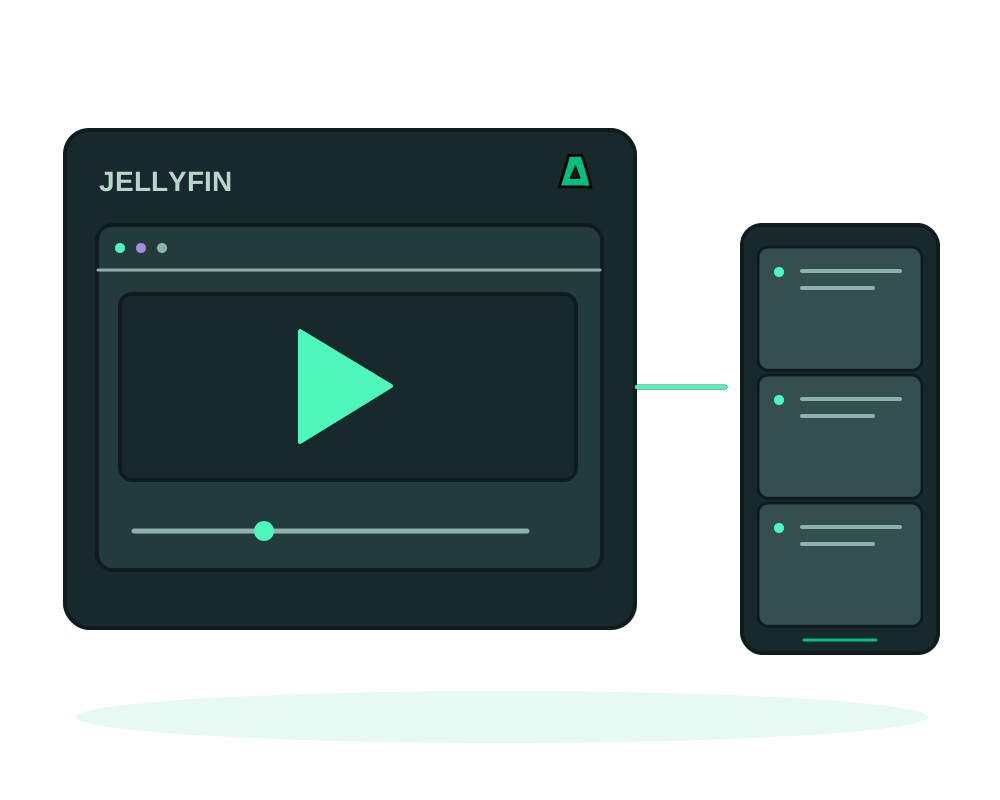
Run Jellyfin on your own server to stream a media collection you are entitled to use. You manage the users, library and playback settings. Review client compatibility, metadata providers and network access rather than assuming self-hosting removes every external connection.
What you get
- Movies, TV, music and photos, streamed to phones, TVs, browsers and consoles
- No paywalls: it is free software with no premium tier
- Control over users and playback settings, with client and metadata-provider behavior reviewed separately
- Offshore, no KYC, crypto billing
Get it running
Size for the library and the transcoding
Disk is the obvious constraint, and CPU is the quiet one: transcoding on the fly is demanding without a GPU. Give it a VPS with real cores, or keep your files in formats your devices play directly.
Install it in one click
Install Jellyfin from the catalog with a hostname such as tv.example.com. HTTPS is issued automatically. See how one-click installs work.
Complete the setup and add your library
Finish the first-run setup with a strong admin password straight away, then place your files under the media directory on the VPS and let it scan.
Connect your devices
Install a Jellyfin client on the devices you use, point it at your hostname, and your library is available wherever you are.
A media server sitting on a fresh install with the setup wizard open is an invitation. Complete it immediately, set a strong admin password, and only then share the address with the people who should have it.
Jellyfin is for your own collection: discs you ripped, files you bought, recordings and material you created. Running it offshore means your viewing is not logged by a streaming company, not that redistributing other people’s copyrighted work becomes acceptable. Publicly sharing content you do not have the rights to is outside our acceptable use policy.
Restrict who can log in and which libraries they can access. If you add a Tor endpoint, check client compatibility and public routes separately; an onion address does not automatically make the server inaccessible by other paths. See the Tor publishing guide.
Back up configuration and account for the media
Use app inspection and maintenance for a supported deployment and check playback on the devices that matter after updates. Transcoding capability depends on server hardware, configuration and codecs; installing the app does not add a GPU to a VPS.
When planning app backups to Impreza S3, distinguish Jellyfin configuration and database data from the media collection. A recovery copy of app data is not automatically a copy of externally mounted media. Check the installed version’s recovery procedure and keep a separate plan for library files outside covered paths.
For migration between compatible servers, confirm media paths, permissions and available resources on the destination. Test login, direct playback and any required transcoding before moving viewers to the new host.
Start now
Spin up an offshore VPS and install Jellyfin from the catalog, or read the documentation.